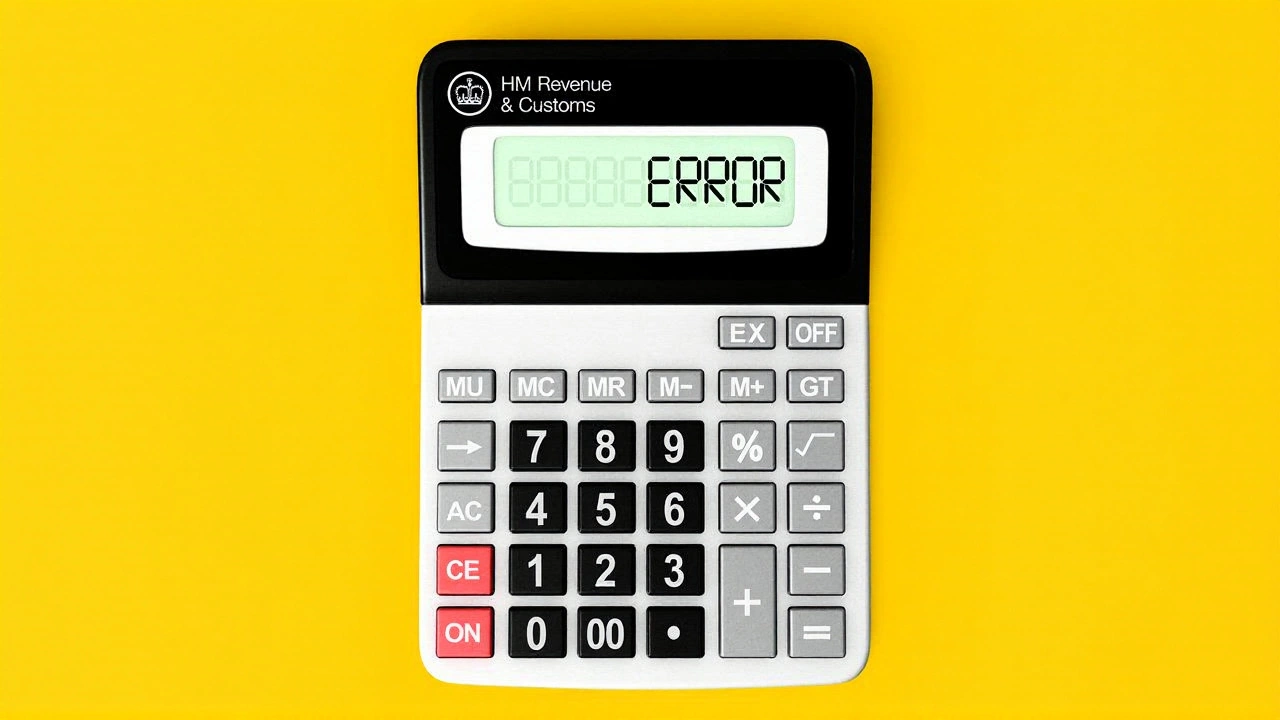
Imagine planning your entire retirement around a number that simply isn't real. For nearly a decade, up to 800,000 British workers did exactly that, relying on an official government calculator that promised them more money in their golden years than they would actually receive. The twist? The error wasn't a glitch; it was a systemic failure to account for how their pensions were built.
On 13 February 2026, His Majesty's Revenue and Customs (HMRC) finally pulled the plug on the lie. The UK tax authority admitted its online "Check your State Pension" tool had been inflating forecasts for almost ten years. They’ve since issued a public apology and patched the code, but the damage to trust—and potentially to people’s financial security—is done.
The Contracted-Out Catch-22
Here’s the thing: this wasn’t just bad math. It was a misunderstanding of a complex, now-defunct system called "contracting out." Under old rules, if you had a private or workplace pension scheme, you paid lower National Insurance contributions. In exchange, the state wouldn’t give you the full additional State Pension later on. It was a trade-off.
The problem? HMRC’s digital forecast tool ignored that trade-off. It treated these users as if they had never opted out, showing them a forecast for the full weekly State Pension—currently £230.25. Turns out, many people who thought they were on track for maximum benefits were actually looking at a significantly smaller payout. They weren't just missing out on a few pounds; they were facing a structural shortfall in their retirement income.
A Decade of Inflated Expectations
The timeline here is staggering. The online forecast tool launched in 2016. Within just three years, by roughly 2019, reports indicated that approximately 360,000 people had already received incorrect estimates. That number ballooned to 800,000 over the following seven years.
It’s not like no one noticed. Back in 2019, consumer champion Sir Steve Webb, former Pensions Minister, raised alarms about discrepancies exceeding £1,500 per year for some individuals. At the time, then-Pensions Minister Guy Opperman acknowledged a "significant" problem with data errors. Yet, the specific flaw regarding contracted-out years remained unfixed until recent scrutiny from The Telegraph forced HMRC’s hand.

The Cost of Correction
So, what happens now? If you’re one of the 800,000 affected, the news isn’t great. You can’t sue the government for emotional distress over a spreadsheet error. But you do have options, albeit expensive ones.
HMRC is encouraging affected individuals to top up any missing National Insurance years to boost their eventual pension. Here’s the kicker: topping up a single year can cost up to £907. For someone who needs to fill multiple gaps to reach their desired pension level, that adds up quickly. It’s a steep price to pay for a mistake made by the very agency collecting those taxes.
For those reaching State Pension age after April 2029, the updated tool should now show accurate figures. But for anyone retiring sooner, the clock is ticking. The advice from experts is clear: don’t assume the online figure is gospel. Check your records. Demand written confirmation.
Why This Matters Beyond Your Wallet
This scandal exposes a deeper issue with digital governance. We’re increasingly told to rely on apps and portals for critical life decisions. When those tools fail, the consequences aren’t just inconvenient—they’re existential. People delayed buying property, cut back on savings, or planned lifestyle changes based on faulty data.
As one analysis noted, this illustrates the profound risk of relying on automated systems for complex financial planning without human oversight. The "single miscalculation" didn’t just affect numbers; it affected lives.
What Should You Do?
If you suspect your forecast is wrong, don’t panic. But do act. First, check your National Insurance record online. Look specifically for years marked as "contracted out." Second, contact the Future Pension Centre directly. Their freephone number is 0800 731 0175. Third, request a written statement. Online forecasts are estimates; written statements are more formal and often trigger a manual review of your records.
The details of individual cases may vary, but the principle remains: verify everything. In the world of pensions, hope is not a strategy.
Frequently Asked Questions
Who is affected by the HMRC pension error?
Approximately 800,000 people are affected, primarily those who were "contracted out" of the additional State Pension between 2016 and 2026. These are individuals who paid reduced National Insurance because they had private or workplace pensions, but whose online forecasts incorrectly assumed they were entitled to the full state rate.
How much will it cost to fix my pension gap?
Topping up a single missing National Insurance year can cost up to £907. The total cost depends on how many years you need to fill to meet the qualifying threshold for your desired pension amount. This is a voluntary contribution, so it’s essential to calculate whether the investment yields a sufficient return before paying.
When was the error fixed?
HMRC implemented a key fix on 13 February 2026. However, the tool now advises users reaching State Pension age after April 2029 to wait for fully accurate forecasts. Those retiring before that date should seek written statements to ensure their entitlements are calculated correctly despite the historical software bug.
Can I get compensation for the incorrect forecasts?
Currently, there is no automatic compensation scheme for the inconvenience or financial planning errors caused by the faulty forecasts. HMRC has apologized and corrected the tool, but affected individuals must proactively manage their retirement plans through voluntary contributions or other savings adjustments.
How do I verify my current pension forecast?
You should log in to your Government Gateway account to view your online forecast, but treat it as an estimate. For definitive information, contact the Future Pension Centre on 0800 731 0175 or write to The Pension Service in Wolverhampton. Request a detailed written statement which undergoes more rigorous checks than the automated online tool.